Oakfield Short Stay School
Who are we?
Our Outreach Team
| Head of Oakfield Secondary Outreach: | Andrea Davis |
| Outreach Manager: | Simon Chetwyn |
| Prevention Work Manager: | Adam Wheldon |
| Inclusion Teacher: | Lauren Dyke |
| Outreach Team Information and Support Coordinator: | Andrea McGrath |
| Mentor: | Beresford Waterman |
| Mentor: | Caroline Fromspiertospiers |
| Mentor: | Claire Cleaver |
| Mentor: | Darren Newcombe |
| Mentor: | Jordan Duffy |
| Mentor: | Joshua Myatt |
| SEMH Practitioner: | Ian Duncan-Henderson |
| SEMH Practitioner: | Caitlin Pallatt |
| SEMH Practitioner: | Sharon Sturgess |
| SEMH Practitioner: | Stacey Oldknow |
| Outreach Support Worker: | William Jenkins |
The Secondary Outreach Offer
Oakfield’s Secondary Outreach offer uses a graduated approach to support pupils who are experiencing barriers to engagement in education. Through evidence-informed intervention, therapeutic support and partnership work, Secondary Outreach helps schools, families and young people reduce risk, strengthen inclusion and improve outcomes.
All Secondary Outreach provision is underpinned by the Kaplan and Wheeler Behaviour EscalationCurve and delivered through approaches including Emotion Coaching, Restorative Practice, the Zones of Regulation, Talk about and targeted programmes that develop emotional wellbeing, communication, self-esteem and school engagement.
The following roles form part of the Secondary Outreach Offer and contribute to preventing exclusion, improving attendance, supporting reintegration and enabling pupils to achieve positive educati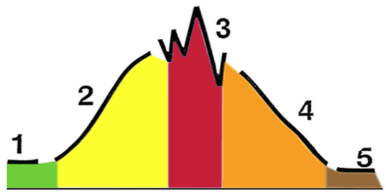 onal outcomes, which are as follows:
Prevention Work Manager
Outreach Mentor
Outreach Inclusion Practitioner
Outreach SEMH Practitioner
Outreach Support Worker
Prevention Work Manager
Location 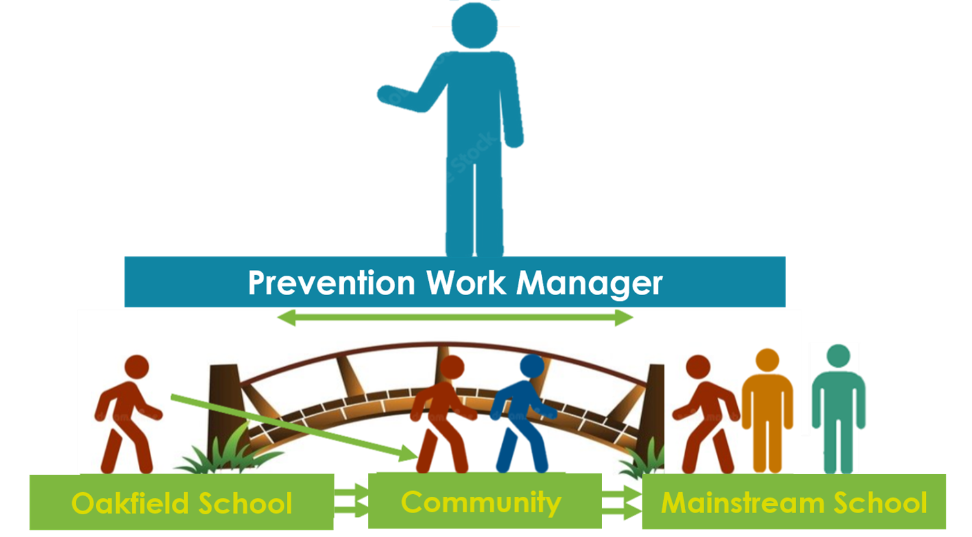
Working across Leicestershire, including schools, Oakfield sites and community settings.
Job Purpose
The Prevention Work Manager leads the strategic deployment and coordination of Oakfield's Secondary Outreach and Prevention Offer, ensuring resources are targeted effectively in response to need, risk and demand. The role focusses on supporting the referral, triage and allocation processes, ensuring pupils receive the right support at the right time and that interventions are proportionate, timely and effective.
Working collaboratively with schools, families and partner agencies, the Prevention Work Manager uses data, local intelligence and professional judgement to shape service delivery, reduce suspensions, permanent exclusions and non-attendance, and strengthen inclusive practice across Leicestershire. The role provides line management, professional supervision and quality assurance for SEMH Practitioners, whilst coordinating the deployment of the wider prevention workforce to ensure effective delivery across the graduated response.
Key Strategies Used
The Prevention Work Manager oversees service delivery informed by the Kaplan and Wheeler Behaviour Escalation Curve and the graduated approach to inclusion. Responsibilities include referral management, triage, case allocation, workforce deployment, reintegration planning, multi-agency collaboration, quality assurance and performance monitoring. The role ensures assessment, intervention and support pathways are aligned to pupil needs and contribute to positive educational outcomes.
Role within the Behaviour Escalation Curve
The Prevention Work Manager provides strategic oversight across all stages of the Kaplan and Wheeler Behaviour Escalation Curve, ensuring pupils access the most appropriate support at the right point in their journey and that resources are deployed effectively across the prevention pathway.
Outreach Mentor
Location 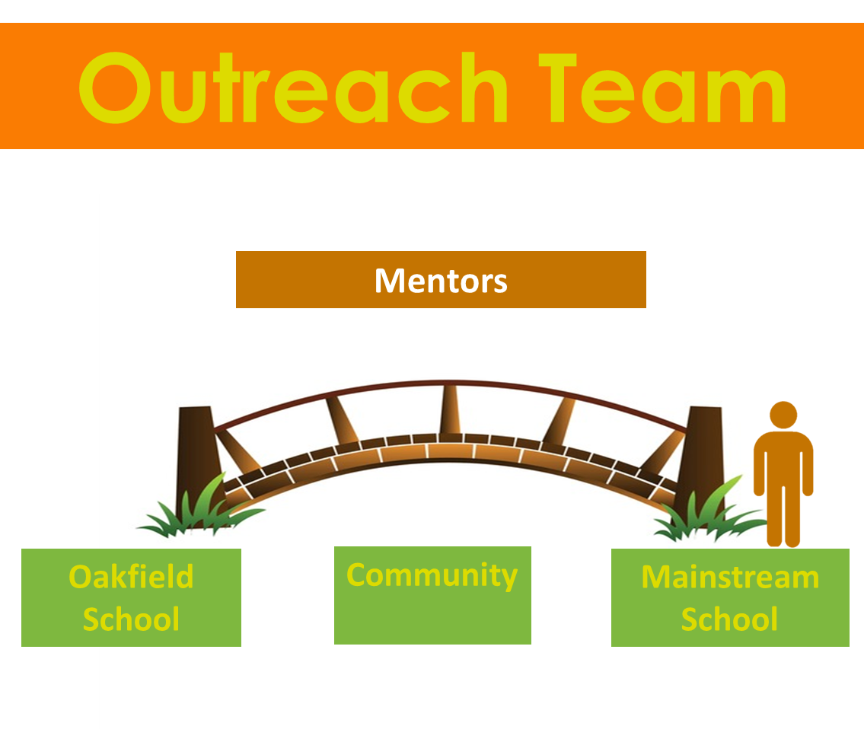
Based in secondary schools.
Job Purpose
The Mentor provides early intervention and preventative support within secondary schools. The role focusses on assessing need, identifying barriers to engagement and delivering medium and long-term interventions that support inclusion, attendance and positive educational outcomes. Mentors work closely with pupils, families and schools to reduce risk, strengthen resilience and prevent escalation.
Key Strategies Used
Mentors use the Kaplan and Wheeler Behaviour Escalation Curve to assess needs and plan support. They undertake observations, assess barriers to learning and deliver medium and long-term interventions that promote emotional regulation, self-esteem, resilience, communication skills and positive engagement with education. Support includes Emotion Coaching, restorative approaches, coaching and targeted intervention programmes.
1. Supporting pupils to remain calm and engaged
We assess strengths, needs and barriers to engagement and deliver preventative interventions that promote emotional regulation, communication, confidence and participation in learning.
2. Supporting pupils showing early signs of difficulty
We identify emerging concerns and work with schools to implement appropriate support strategies. Emotion Coaching and targeted interventions help pupils build self-awareness and emotional regulation before difficulties escalate.
3. Supporting pupils at risk of escalation
We deliver medium and long-term interventions that strengthen resilience, wellbeing, behaviour and school engagement. Support is adapted over time to meet changing needs and promote sustained inclusion.
4. Supporting pupils experiencing significant distress
We work alongside school staff and partner services to maintain engagement and reduce escalation. Where needs become increasingly complex, we contribute assessment information to support access to targeted intervention.
5. Supporting reflection, repair and re-engagement
We use restorative approaches to support reflection, repair relationships and identify positive next steps. Progress is monitored over time to support successful re-engagement, improved attendance and long-term inclusion.
The Mentors primarily operate within the Baseline, Trigger and Escalation phases, identifying needs and providing sustained support to prevent escalation and strengthen inclusion.
Outreach Inclusion Practitioner
Location 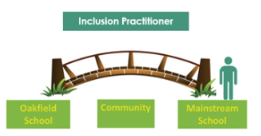
Based in Secondary Schools.
Job Purpose
The Inclusion Practitioner delivers structured interventions that support pupils at risk of suspension, exclusion, non-attendance or disengagement from education. The role focusses on delivering evidence-informed programmes that strengthen emotional wellbeing, self-regulation, resilience, communication and school engagement. Inclusion Practitioners do not complete assessments but instead focus on providing intensive, targeted interventions, which are informed by the home school’s findings.
Key Strategies Used
Inclusion Practitioners deliver interventions informed by the Kaplan and Wheeler Behaviour Escalation Curve. Support includes one-to-one, paired and group interventions using approaches such as Zones of Regulation, Talk about, Strengthening Minds, Emotion Coaching, restorative practice and other programmes that promote inclusion, attendance and engagement.
1. Supporting pupils to remain calm and engaged
We deliver preventative interventions that help pupils develop emotional regulation, confidence, communication skills and positive engagement with learning.
2. Supporting pupils showing early signs of difficulty
We provide targeted support that strengthens emotional awareness, coping strategies and self-regulation, helping pupils manage difficulties before they escalate.
3. Supporting pupils at risk of escalation
We deliver structured interventions designed to improve resilience, wellbeing, behaviour, attendance and inclusion. Support may be provided individually or through small group programmes.
4. Supporting pupils experiencing significant distress
We provide intervention support that helps pupils regain emotional regulation and remain connected to education, working alongside schools and other professionals as part of a coordinated plan.
5. Supporting reflection, repair and re-engagement
We facilitate restorative and reflective activities that help pupils identify strengths, develop positive strategies and successfully re-engage with education.
The Inclusion Practitioners primarily operate within the Baseline, Trigger and Escalation phases, delivering evidence-informed interventions that build emotional regulation, resilience and engagement.
Outreach SEMH Practitioner
Location 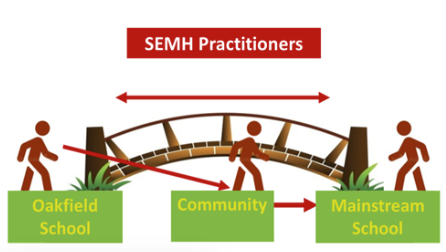
Mainstream schools, Oakfield sites and community settings, including Family Hubs, and libraries.
Job Purpose
The SEMH Practitioner provides targeted social, emotional and mental health assessment and intervention for pupils whose needs present a a significant risk to attendance, inclusion or educational engagement. The role focusses on assessment, formulation and short-term stabilisation, identifying needs, recommending strategies and coordinating transitions to longer-term support where required.
Key Strategies Used
SEMH Practitioners undertake targeted assessments informed by the Kaplan and Wheeler Behaviour Escalation Curve. They provide short-term interventions, formulate support recommendations, contribute to planning and risk management, and work collaboratively with schools, families and partner agencies to identify appropriate pathways for ongoing support.
1. Supporting pupils to remain calm and engaged
We complete assessments to identify strengths, needs and barriers to engagement. Assessment findings are used to develop recommendations that support emotional regulation, inclusion and educational participation.
2. Supporting pupils showing early signs of difficulty
We identify the factors contributing to escalation and provide targeted advice, strategies and short-term intervention to reduce risk and strengthen support around the pupil.
3. Supporting pupils at risk of escalation
We undertake detailed assessment and formulation to identify appropriate interventions, support planning and recommend strategies that address underlying needs.
4. Supporting pupils experiencing significant distress
We provide short-term stabilisation support and work alongside schools, families and partner agencies to reduce risk, restore regulation and maintain educational engagement.
5. Supporting reflection, repair and re-engagement
We review progress, update recommendations and support transition planning. Where ongoing intervention is required, we facilitate handover to mentors, inclusion practitioners or other professionals to ensure sustained support and successful reintegration.
The SEMH Practitioners primarily operate within the Crisis, De-escalation and Recovery phases, providing targeted assessment, stabilisation and recommendations to support successful recovery and ongoing intervention planning.
Outreach Support Worker
Location 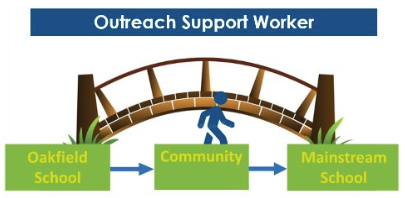
Face-to-face support within the HBEP locality (pilot area), with remote support available across the rest of Leicestershire.
Job Purpose
The Outreach Support Worker provides early intervention and engagement support for pupils at risk of suspension, permanent exclusion or disengagement from education. The role focusses on building trusted relationships, capturing pupil voice, identifying barriers to engagement and ensuring that pupils and families access the right support at the right time. Through advocacy, partnership working and effective transition planning, Outreach Support Workers help pupils remain connected to education and successfully access further support where required.
Key Strategies Used
Outreach Support Workers use the Kaplan and Wheeler Behaviour Escalation Curve to support early identification of need and strengthen engagement with education. Through relationship-building, pupil voice activities, advocacy, observation and partnership working with schools, families and professionals, they help identify strengths, needs and barriers to engagement. Support focusses on information gathering, transition planning and facilitating access to appropriate intervention pathways.
1. Supporting Pupils to Remain Calm and Engaged
We build trusted relationships that enable pupils to share their views, experiences and aspirations. Through pupil voice and advocacy, we ensure that support is informed by what matters most to the young person and promotes positive engagement with education.
2. Supporting Pupils Showing Early Signs of Difficulty
We identify emerging attendance, behaviour or wellbeing concerns and work with pupils, families and schools to understand barriers to engagement. Through listening, observation and information gathering, we help ensure concerns are recognised and responded to at the earliest opportunity.
3. Supporting Pupils at Risk of Escalation
We work alongside pupils, families and schools to understand factors contributing to increased risk and help identify the most appropriate support pathway. We facilitate referrals and transitions into targeted support and intervention services where required.
4. Supporting Pupils Experiencing Significant Distress
We provide a calm and trusted point of contact while working closely with schools, families and partner agencies to ensure that the pupil's views, wishes and experiences remain central to planning and decision-making. We support access to targeted assessment and intervention where appropriate.
5. Supporting Reflection, Repair and Re-engagement
We support pupils and families to prepare for the next stage of support by capturing strengths, needs and aspirations. Through effective handover and transition planning, we help ensure continuity of support and successful engagement with longer-term interventions and services.
The Outreach Support Workers primarily operate within the De-escalation and Recovery phases, helping pupils reflect, re-engage and transition into appropriate support pathways.
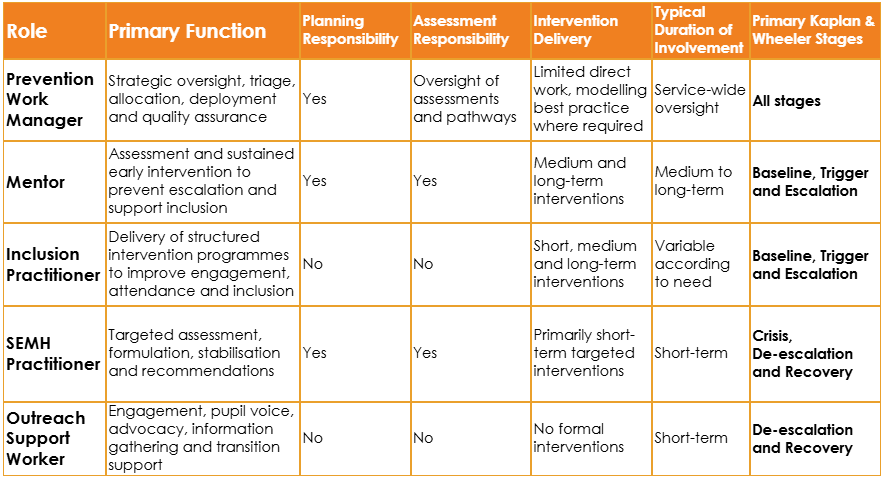
Secondary Outreach Delivery Model
The table below outlines how each role contributes to a graduated continuum of support. While all roles are informed by the Kaplan and Wheeler Behaviour Escalation Curve, each has a distinct function, level of intervention and point within the pupil journey, ensuring the right support is provided at the right time to promote inclusion, engagement and positive educational outcomes.